The Future of AV Technology 2026
AV technology is moving toward intelligent, network-based, and user-friendly systems. Artificial Intelligence (AI) will play a key role in improving hybrid meetings, ensuring remote participants feel equally engaged while automating daily AV operations. Below are the leading trends shaping the AV industry in 2026.
1. Intelligence and Automation (Driven by AI)
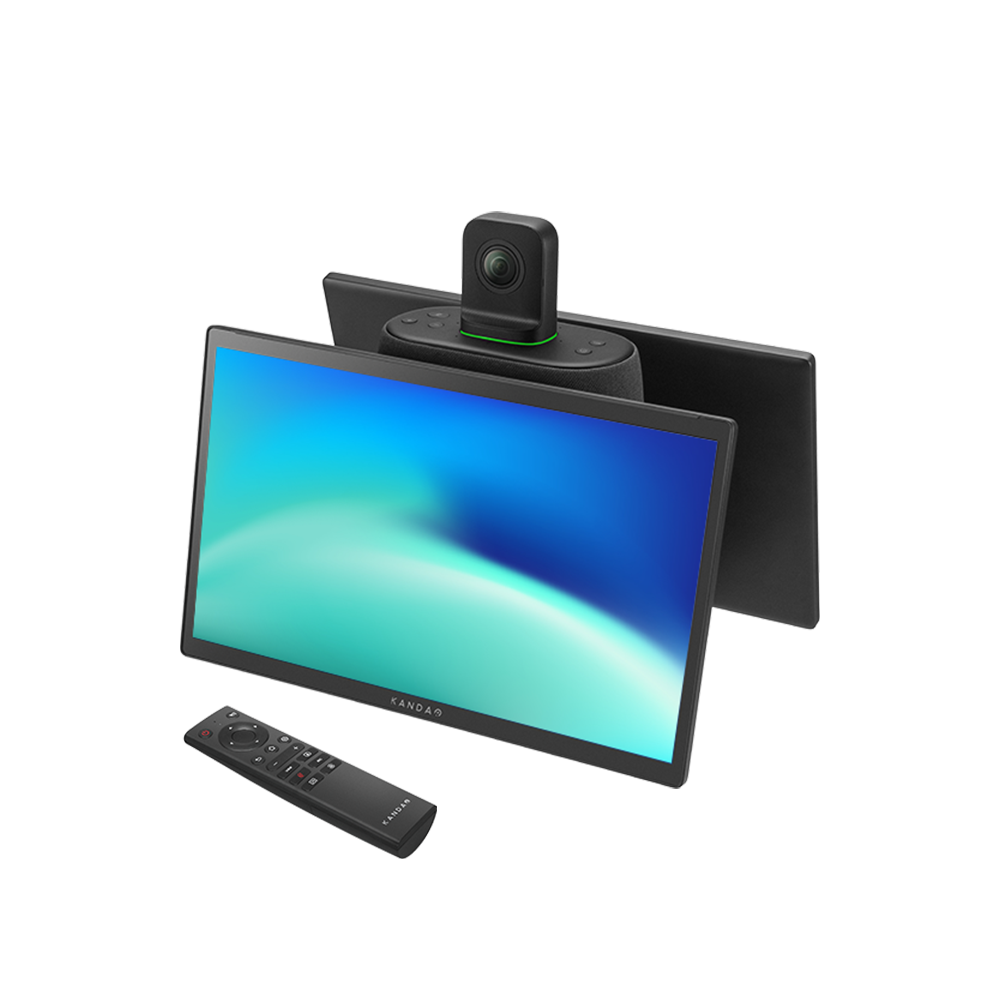
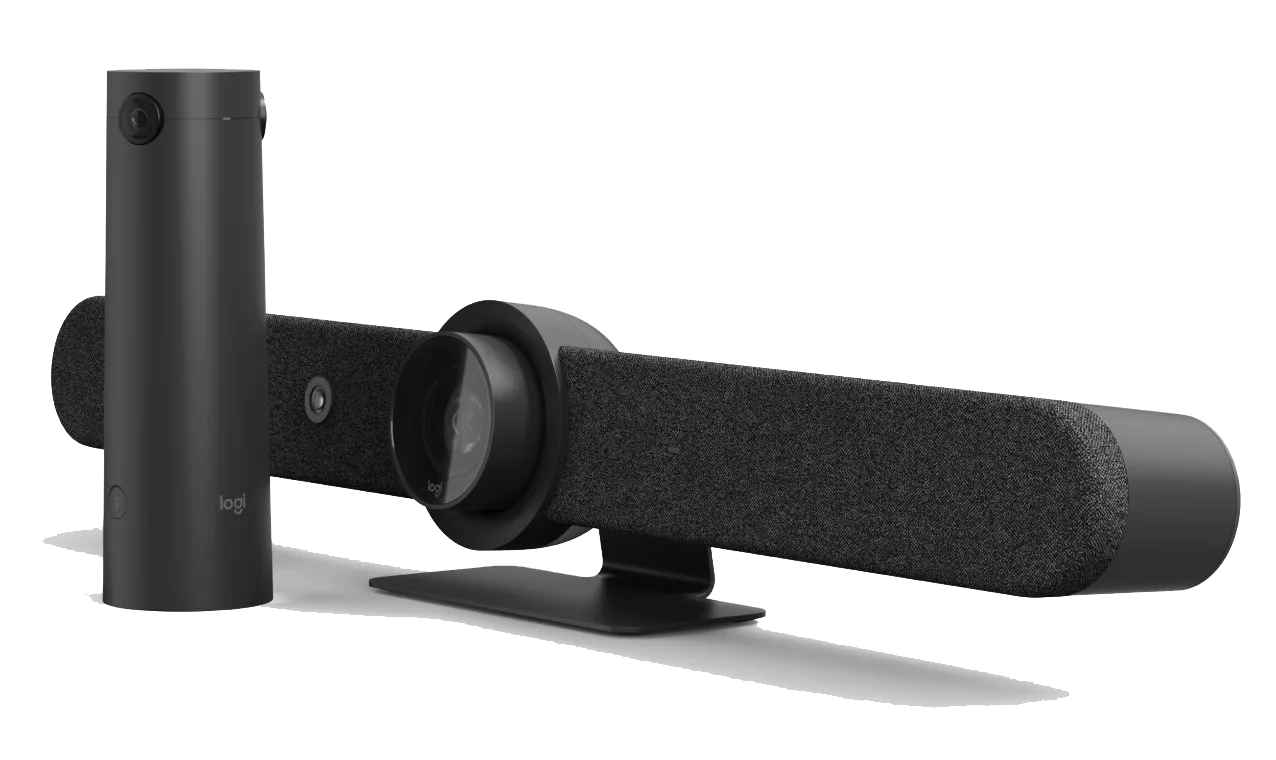
Fair hybrid meetings: AI helps make meetings more equal for in-room and remote participants. This includes intelligent features like auto-framing, speaker tracking (to give remote participants a better view), noise cancellation, and voice tracking.
For Example
 |
 |
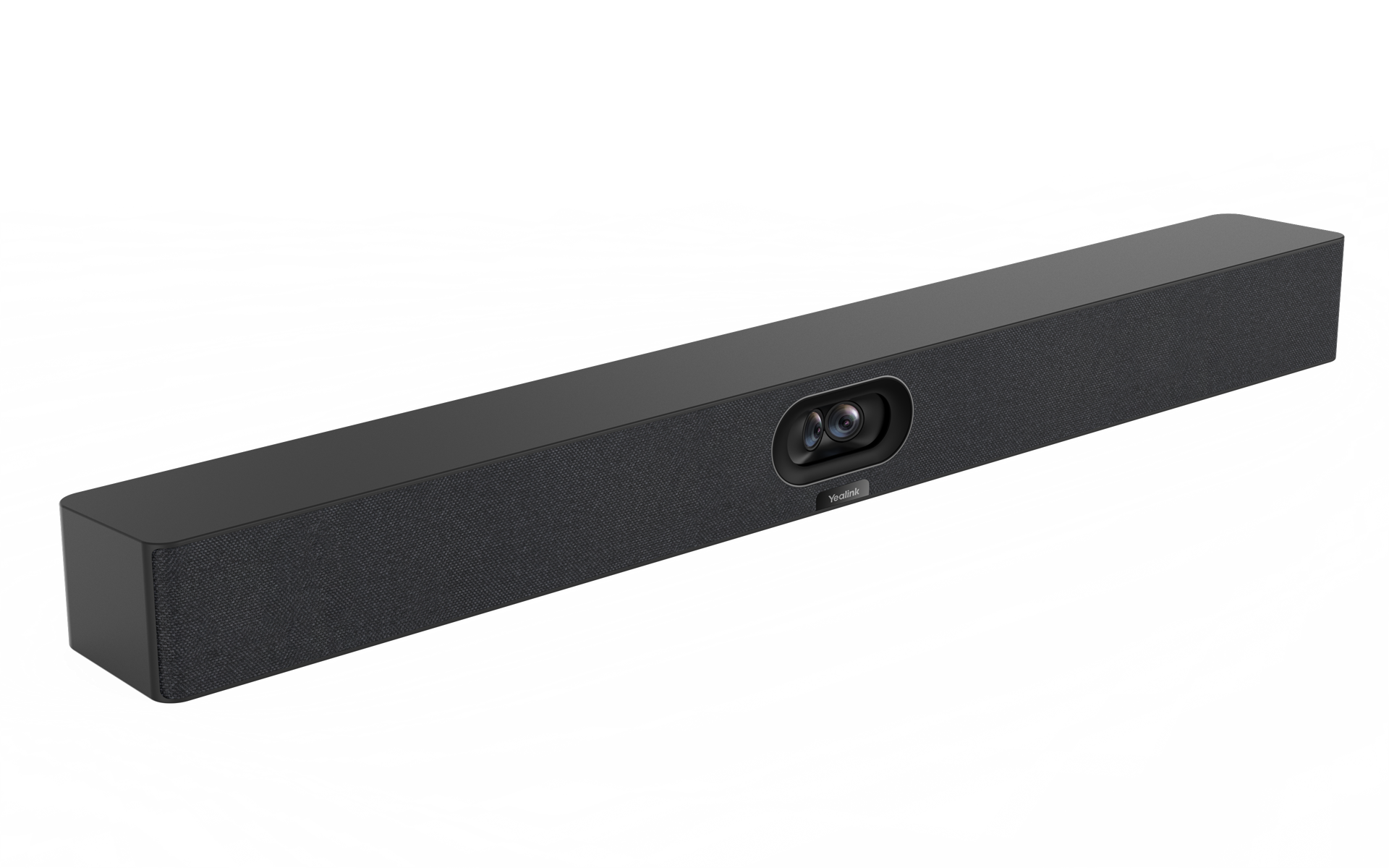 |
| Kandao Meeting Ultra 4K 360 | Logitech Sight | Yealink SmartVision 40, MeetingBar |
Automation & Insights: AI automates routine AV tasks, personalizes content, and is used to generate powerful post-meeting features like summaries and action items, preserving institutional knowledge.
For Example
 |
 |
 |
| Copilot in Microsoft Teams meetings | Gemini in Google Meet | Wajana AI |
2. AV over IP (AVoIP) and IT Integration
IP-based infrastructure: AV systems are moving from traditional hardware to AV over IP (AVoIP), using standard Ethernet networks. This allows systems to scale easily and adapt to future needs.
For Example
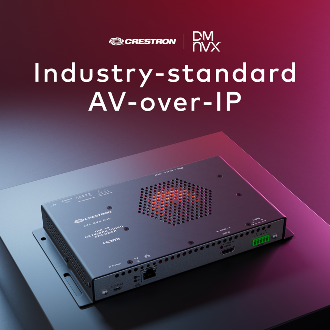 |
| Crestron NVX, AV over IP |
Data-Driven Spaces: AV devices now act like smart sensors, providing data on room usage, system health, and energy consumption. This enables organizations to optimize space and resource utilization.
For Example
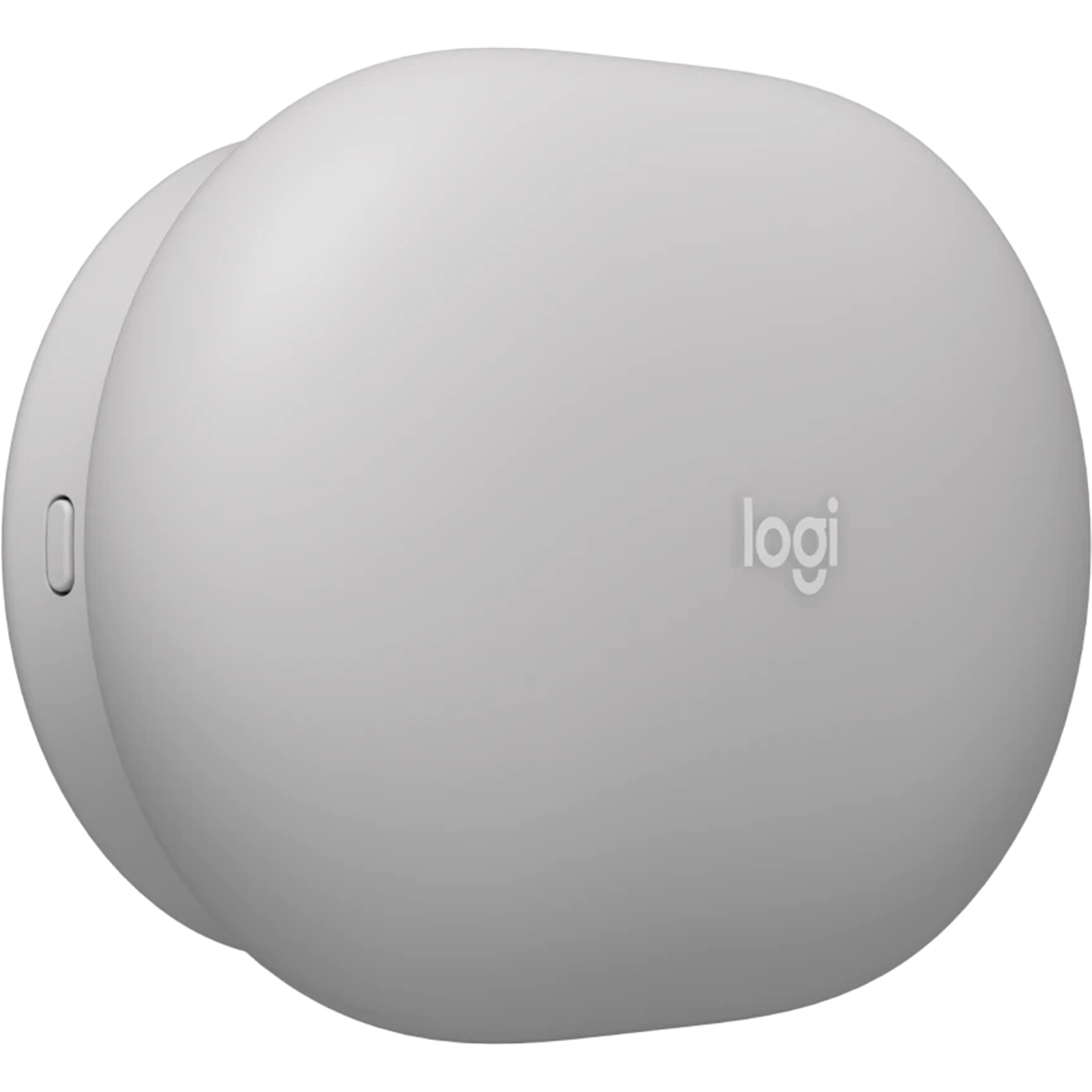 |
| Logitech Spot |
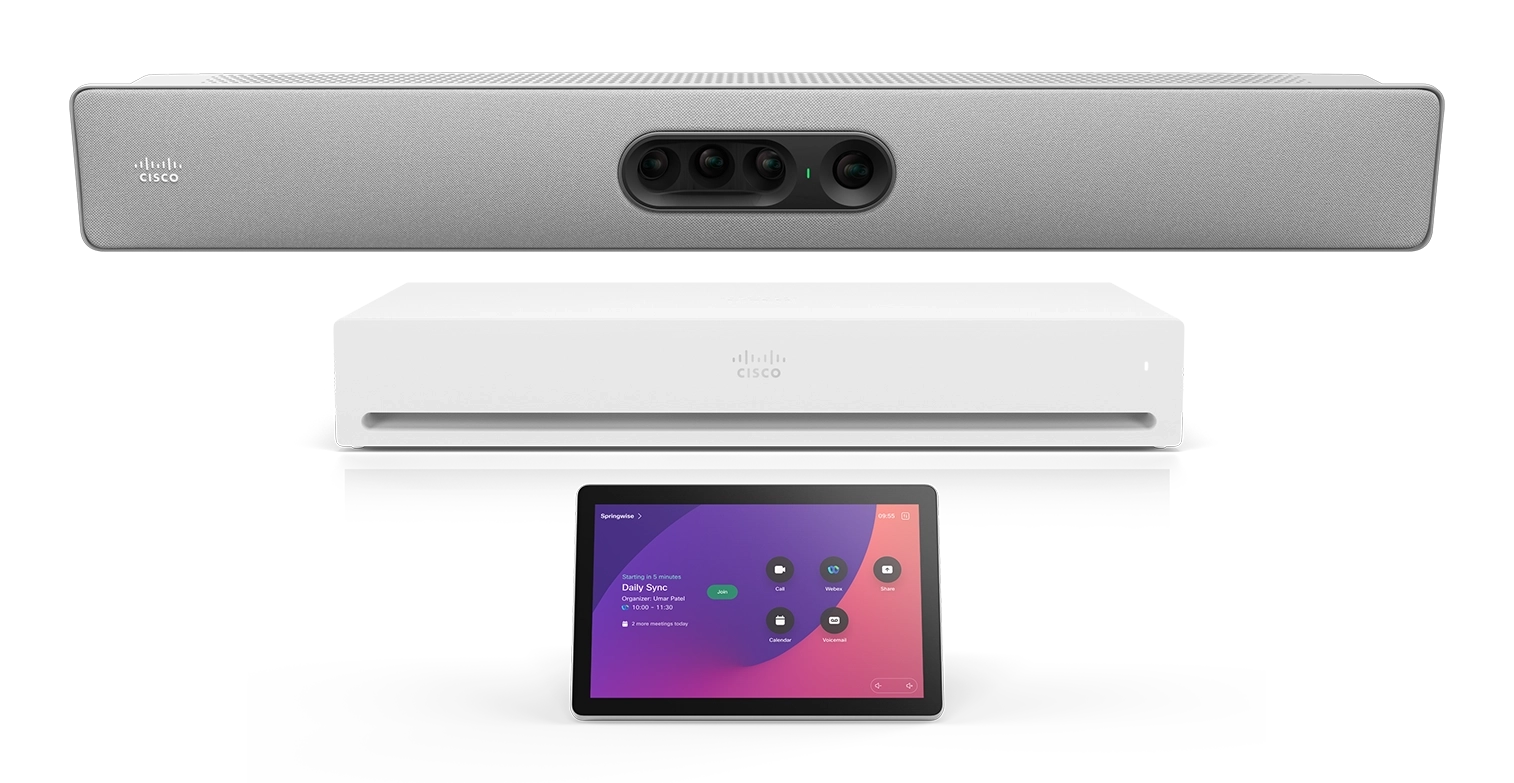
Stronger Security: Moving to an IP network makes strong cybersecurity measures (like MACsec encryption and network segmentation) essential to protect sensitive media traffic
For Example
 |
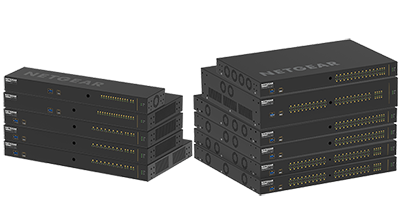 |
| Cisco Webex Room + Cisco switches | Netgear AV-Line Managed Switches |
3. Simple and User-Friendly Experience
Easy to Use: The goal is a smooth, intuitive experience. One-touch meeting joins and unified controls work across platforms like Zoom, Microsoft Teams, and Google Meet.
Centralized Management: IT and AV teams can manage, monitor, and troubleshoot devices from a single platform.
For Example
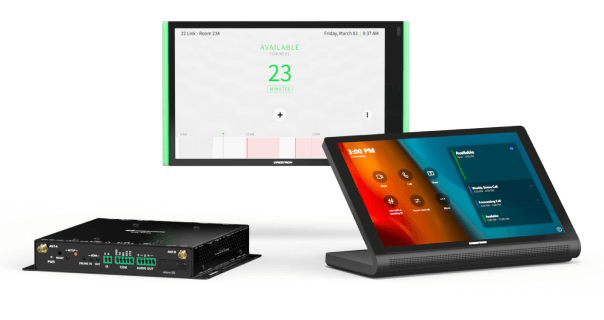 |
| Crestron XiO Cloud |
4. Immersive Media and Advanced Experiences
Immersive Technologies: The use of Augmented Reality (AR), Virtual Reality (VR), and Mixed Reality (MR) is moving beyond entertainment into collaboration, training, and education.
Holography: Advancements are leading to real-time holographic communication and true 3D displays for presentations, events, and virtual presence.
Next-generation displays: Direct View LED (dvLED) is becoming the standard for high-impact visuals. Higher resolutions (8K and beyond), along with flexible and transparent displays, are also gaining popularity.
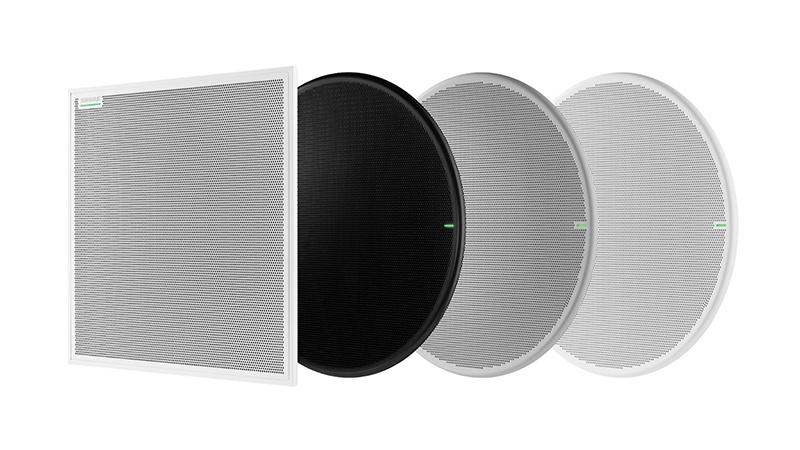
Audio Quality: Renewed focus on high-quality, clear audio, improved room acoustics, and technologies like spatial/3D audio and advanced Digital Signal Processing (DSP) to enhance engagement and reduce listening fatigue.
For Example
 |
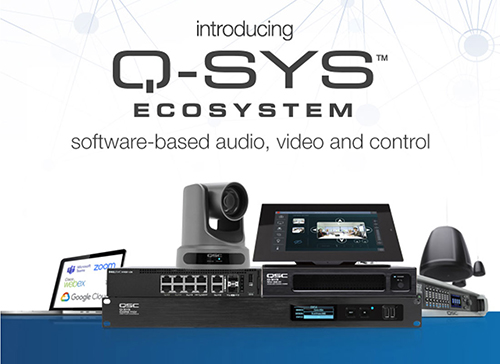 |
| Shure MXA | Q-SYS (QSC) |
5. Service-Based Models and Sustainability
AV-as-a-Service (AVaaS): Organizations are shifting from large upfront purchases to subscription-based models that include technology, remote monitoring, and ongoing support.
Eco-Friendly Focus: Demand for eco-friendly solutions is increasing. This includes energy-efficient equipment, green certifications, and smart power management to lower carbon impact.
For AV consultation, design & installation:
Email: info@omni.co.th
Line OA: @omnisystems
Tel: 0-2276-5100-9